Featured

The Ultimate Guide To Finding Support for Your Debt Relief Journey
Table of Contents
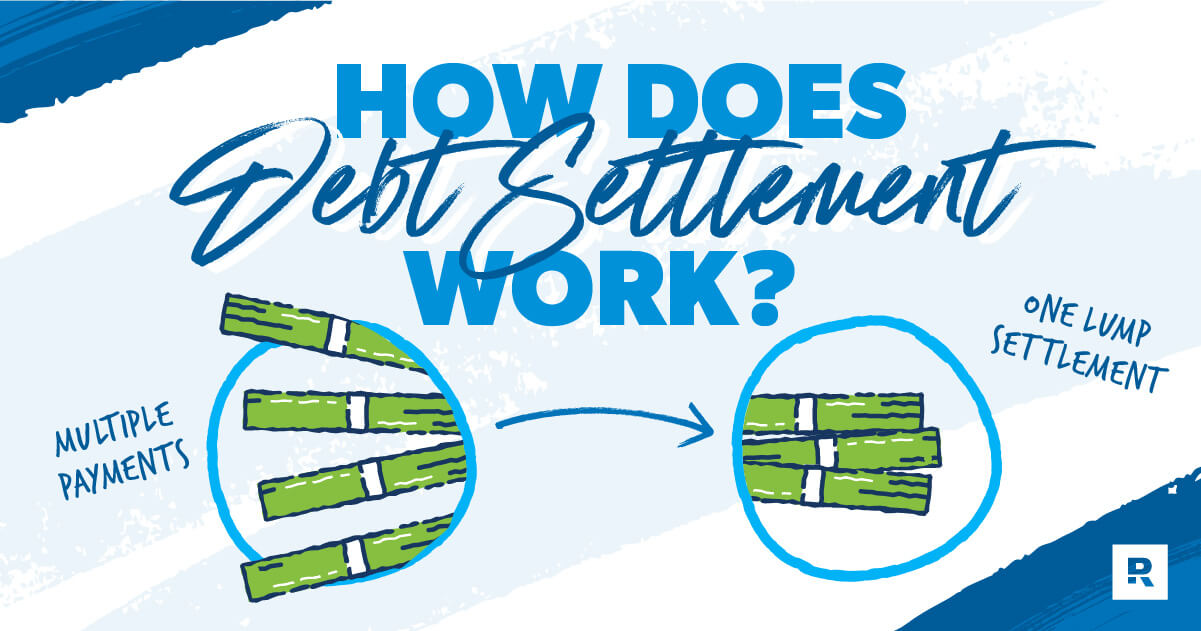
That frees up cash in the brief term, and you might have 3 to four years to save toward the negotiation amount. Very unsafe to credit rating, largely due to missed settlements and a negative "cleared up" mark that could stay on your credit history report for as much as seven yearsMay be only choice if various other options (financial obligation loan consolidation, balance transfer charge card, financial obligation forgiveness) aren't possibleTypically requires a fee to the 3rd party, which could offset some or all of the cost savings from debt settlementMay assist you stay clear of bankruptcy if you have actually missed a number of paymentsNot all financial institutions deal with debt negotiation companies Financial debt forgiveness may be right for you if you are experiencing a monetary challenge that makes it virtually impossible to pay down your debt balances.

With a DMP, you make one month-to-month payment to the credit scores counseling firm. Those funds are then dispersed to creditors of your unprotected debts, such as credit cards and installment fundings. The company collaborates with your lenders to minimize rates of interest or waive fees, however some creditors might refuse such giving ins.
A debt loan consolidation car loan combines your eligible debts into one new finance. It can assist you pay for debt if you have the ability to protect a loan rate that's less than the typical rate of the accounts you're consolidating. However, you need to refrain from racking up debt on those freshly gotten rid of accounts or your financial obligation could grow even greater.
These cards typically offer a 0% interest introductory duration of as much as 21 months. That offers you lots of time to get rid of or dramatically lower your balance while making interest-free settlements. For some people dealing with impossible financial obligation, insolvency may be the only means to stop collection process and legally solve their financial obligations.
An Unbiased View of How Trustworthy Providers Adhere to Ethical Compliance
You might need it if your lender or a collection company ever tries to gather on the financial obligation in the future. When a lending institution forgives $600 or even more, they are needed to send you Kind 1099-C.
Financial obligation mercy or settlement nearly always harms your credit rating. Anytime you work out a debt for less than you owe, it might look like "cleared up" on your credit scores record and impact your credit history for seven years from the date of negotiation. Your credit scores can likewise go down considerably in the months resulting in the forgiveness if you fall back on settlements.
Little Known Questions About Free Educational Should I Pay Credit Cards or Taxes First? Your Complete Debt Priority Guide : APFSC Resources for Individuals.
This circumstance commonly results from underreporting earnings, not submitting returns on time, or discrepancies located during an IRS audit. The consequences of collecting tax obligation financial debt are significant and can include tax liens, which provide the IRS a lawful case to your property as safety for the debt.
Salaries and Financial institution Accounts IRS can levy (seize) earnings and financial institution accounts to satisfy the financial obligation. Property Seizure In severe situations, the Internal revenue service can seize and offer residential or commercial property to cover the debt.
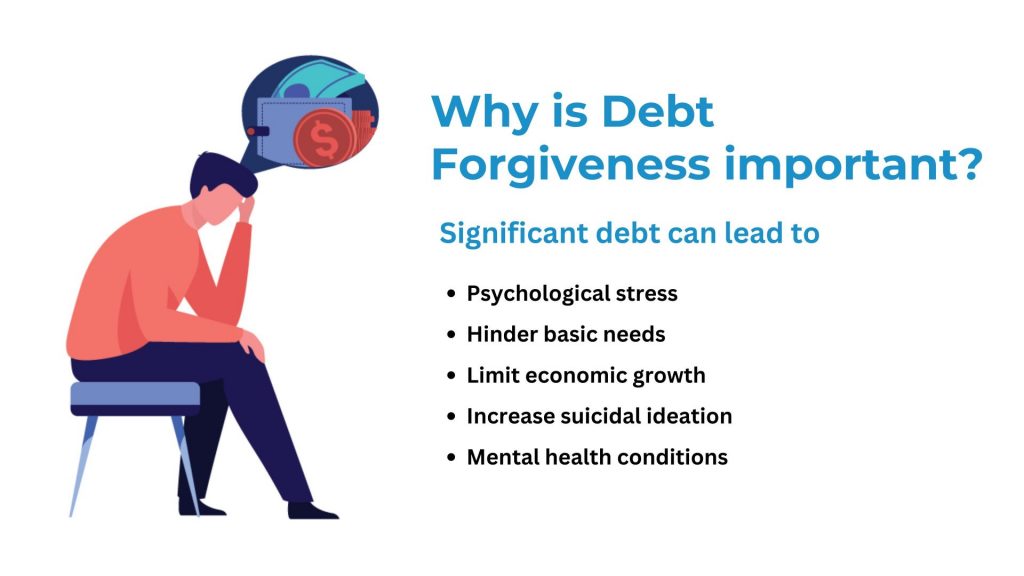
Clinical depression, anxiety, and various other psychological health and wellness problems. Social Stigma Encountering legal action from the IRS can lug social stigma. Damage to track record and connections. Work Opportunities An inadequate credit rating due to strain financial obligation can limit employment opportunities. Problem searching for or keeping a work. Government Benefits Tax obligation financial obligation might impact eligibility for government benefits, such as Social Protection and Medicaid.
The 7-Second Trick For Practical Guidance to Recover Your Life
The OIC takes into consideration numerous variables, consisting of the taxpayer's earnings, costs, asset equity, and capacity to pay. Effectively discussing an OIC can be intricate, needing a thorough understanding of the IRS's standards and a strong argument for why your offer lines up with your ability to pay. It is necessary to keep in mind that not all applications are approved, and the process requires comprehensive monetary disclosure.
The IRS examines your overall financial scenario, including your earnings, costs, property equity, and capability to pay. You should also be existing with all filing and settlement demands and not be in an open bankruptcy proceeding. The IRS also considers your conformity background, examining whether you have a document of prompt filing and paying tax obligations in previous years.
The How Much Debt Counseling Typically Cost Ideas
The application procedure for a Deal in Concession entails several thorough steps. Initially, you must finish and submit IRS Form 656, the Offer in Concession application, and Kind 433-A (OIC), a collection info declaration for people. These forms need comprehensive economic information, including information regarding your revenue, debts, expenses, and properties.
Back tax obligations, which are unsettled taxes from previous years, can dramatically raise your complete IRS financial obligation otherwise resolved immediately. This financial debt can accumulate passion and late settlement fines, making the original amount owed much bigger with time. Failure to repay tax obligations can cause the IRS taking enforcement actions, such as issuing a tax obligation lien or levy versus your home.
It is vital to attend to back tax obligations immediately, either by paying the sum total owed or by setting up a layaway plan with the internal revenue service. By taking aggressive actions, you can avoid the buildup of extra passion and charges, and stop much more aggressive collection actions by the IRS.
One common factor is the belief that the taxpayer can pay the full quantity either as a swelling sum or through a repayment plan. The internal revenue service likewise thinks about the taxpayer's income, costs, asset equity, and future earning capacity. If these elements indicate that the taxpayer can manage to pay more than the provided amount, the internal revenue service is likely to reject the offer.
Methods Trustworthy Providers Uphold Professional Standards Things To Know Before You Buy
It is critical to offer precise and full info in your application and to speak with a tax specialist to improve the chances of approval. Handling internal revenue service debt can be intricate and challenging. Tax obligation experts, such as CPAs, tax attorneys, or enlisted agents, can offer vital assistance. They have the competence to browse the complexities of tax obligation regulation and IRS procedures.

Table of Contents
Latest Posts

How Everything Must Prepare For In the Debt Forgiveness Journey can Save You Time, Stress, and Money.
The smart Trick of Shielding Yourself Against Bankruptcy Counseling Predatory Practices That Nobody is Discussing

3 Easy Facts About How Debt Counselors Operate with Clients Shown
More
Latest Posts
How Everything Must Prepare For In the Debt Forgiveness Journey can Save You Time, Stress, and Money.
The smart Trick of Shielding Yourself Against Bankruptcy Counseling Predatory Practices That Nobody is Discussing
3 Easy Facts About How Debt Counselors Operate with Clients Shown