Featured
Table of Contents
That maximizes cash in the short-term, and you may have three to 4 years to save toward the settlement quantity. Really damaging to credit report, largely due to missed out on payments and an adverse "settled" mark that might stay on your credit rating record for as much as 7 yearsMay be only choice if various other choices (financial debt combination, equilibrium transfer bank card, debt mercy) aren't possibleTypically needs a fee to the 3rd party, which can balance out some or every one of the cost savings from financial debt settlementMay help you stay clear of personal bankruptcy if you've missed numerous paymentsNot all lenders function with financial debt settlement companies Financial obligation forgiveness might be best for you if you are experiencing a monetary challenge that makes it nearly impossible to pay for your debt equilibriums.
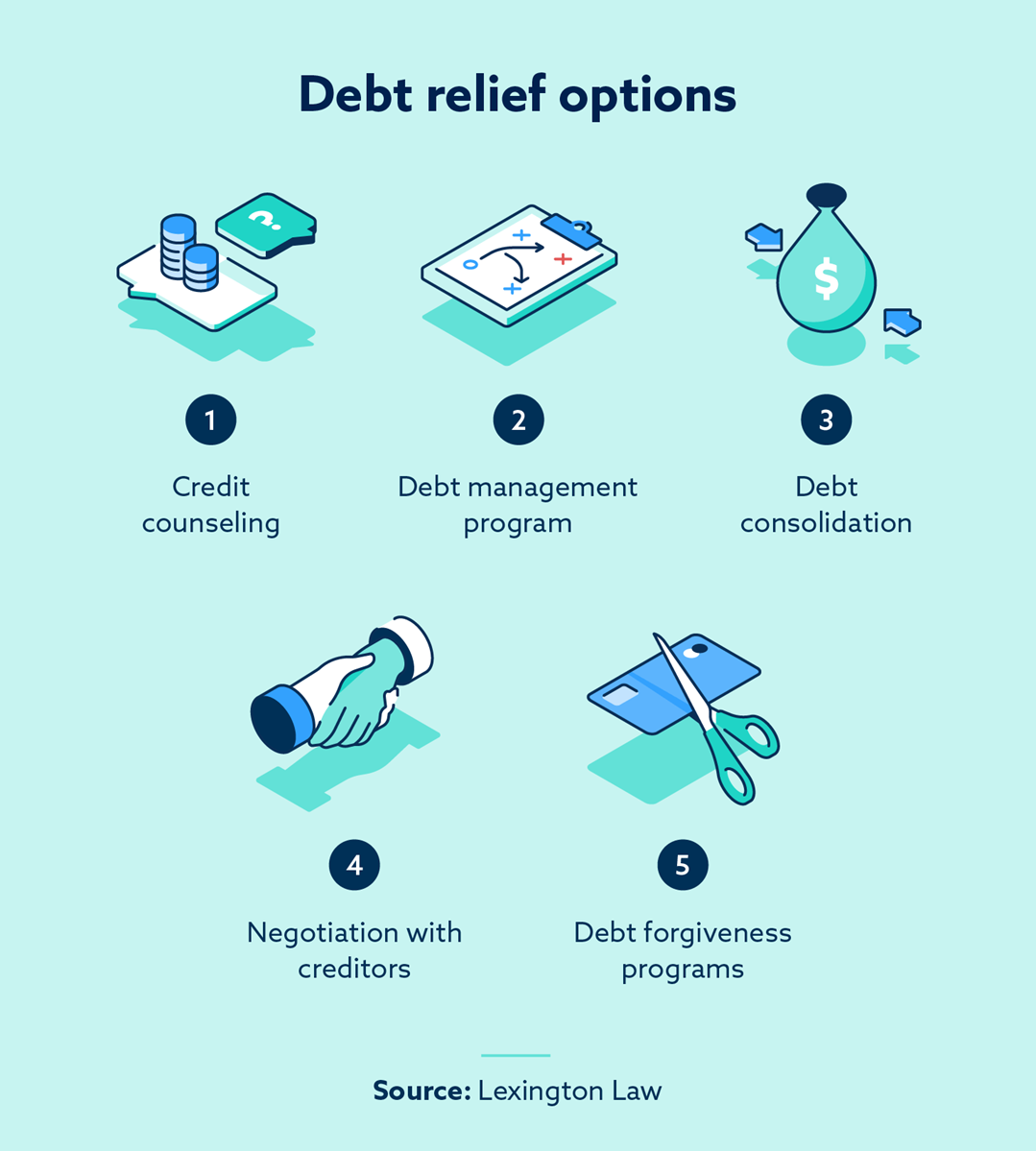
With a DMP, you make one regular monthly settlement to the credit scores therapy firm. Those funds are after that dispersed to lenders of your unsecured debts, such as charge card and installment lendings. The company deals with your lenders to reduce interest rates or forgo charges, however some creditors may reject such giving ins.
A financial obligation combination car loan combines your qualified financial obligations into one brand-new finance. It can assist you pay down financial obligation if you have the ability to protect a lending rate that's less than the average price of the accounts you're consolidating. You have to avoid from racking up financial obligation on those recently removed accounts or your financial obligation could grow also higher.
That gives you plenty of time to remove or dramatically lower your balance while making interest-free settlements.
Indicators on Free Informational How Housing Counselors Work with Legal Aid When You’re at Risk of Eviction Resources Provided by APFSC You Should Know
You might require it if your lender or a debt collector ever attempts to accumulate on the financial obligation in the future. The letter might verify you don't owe what the collection company's documents show. Yes, most of the times, the internal revenue service thinks about forgiven debt as gross income. When a lending institution forgives $600 or more, they are needed to send you Kind 1099-C.
Financial obligation mercy or settlement often hurts your credit score. Anytime you resolve a financial obligation for less than you owe, it may look like "cleared up" on your credit scores report and impact your credit rating for 7 years from the day of negotiation. Your credit scores can also drop significantly in the months resulting in the mercy if you fall behind on repayments.
Some Known Details About "Bankruptcy Destroys Your Life" and More Falsehoods
Tax obligation debt concession programs Tax financial obligation happens when the quantity of tax obligations you owe exceeds what you have actually paid. This scenario frequently results from underreporting income, not filing returns on time, or inconsistencies discovered throughout an internal revenue service audit. The consequences of collecting tax obligation debt are serious and can consist of tax obligation liens, which provide the IRS a legal insurance claim to your residential or commercial property as protection for the financial debt.
Higher rate of interest on readily available credit. Salaries and Financial institution Accounts internal revenue service can levy (take) wages and checking account to please the financial obligation. Minimized revenue and disturbance of crucial financial procedures. Residential property Seizure In severe instances, the IRS can seize and market residential or commercial property to cover the financial debt. Loss of beneficial properties and potential variation.
Anxiety, stress and anxiety, and various other psychological health and wellness problems. Social Preconception Facing lawsuit from the internal revenue service can lug social preconception. Damages to reputation and connections. Work Opportunities A bad credit rating due to strain debt can limit employment opportunities. Difficulty finding or maintaining a task. Government Benefits Tax financial debt might impact eligibility for government advantages, such as Social Safety and Medicaid.
The Best Guide To The Advantages and Drawbacks of Debt Forgiveness
The OIC takes into consideration several aspects, including the taxpayer's income, expenditures, property equity, and ability to pay. Effectively working out an OIC can be intricate, requiring a complete understanding of the IRS's standards and a strong debate for why your offer aligns with your ability to pay. It is essential to keep in mind that not all applications are accepted, and the procedure needs detailed economic disclosure.
The IRS examines your general monetary situation, including your earnings, expenses, possession equity, and capacity to pay. You have to also be existing with all declaring and settlement needs and not be in an open bankruptcy case. The internal revenue service also considers your conformity background, examining whether you have a record of timely declaring and paying taxes in previous years.
The smart Trick of Financial Impact Fees for Debt Forgiveness Programs That Nobody is Discussing
The application procedure for a Deal in Compromise entails a number of detailed steps. You must finish and send IRS Kind 656, the Deal in Compromise application, and Form 433-A (OIC), a collection details statement for individuals. These kinds call for comprehensive financial information, consisting of details regarding your earnings, debts, costs, and properties.
Back taxes, which are unpaid taxes from previous years, can substantially enhance your complete internal revenue service financial obligation if not resolved immediately. This financial debt can accrue passion and late payment charges, making the original quantity owed much bigger over time. Failing to pay back taxes can result in the IRS taking enforcement activities, such as providing a tax obligation lien or levy against your residential property.
It is necessary to address back tax obligations asap, either by paying the complete amount owed or by setting up a payment strategy with the internal revenue service. By taking positive actions, you can stay clear of the accumulation of extra rate of interest and fines, and prevent much more aggressive collection actions by the IRS.
One usual factor is the belief that the taxpayer can pay the sum total either as a lump amount or via a layaway plan. The internal revenue service likewise takes into consideration the taxpayer's earnings, costs, property equity, and future earning potential. If these factors show that the taxpayer can pay for to pay greater than the offered amount, the IRS is most likely to decline the offer.
Not known Details About Things to Avoid When Selecting Debt Relief Help
Dealing with IRS financial debt can be complicated and daunting. Tax specialists, such as Certified public accountants, tax attorneys, or enlisted agents, can supply indispensable help.

Table of Contents
Latest Posts
How Everything Must Prepare For In the Debt Forgiveness Journey can Save You Time, Stress, and Money.
The smart Trick of Shielding Yourself Against Bankruptcy Counseling Predatory Practices That Nobody is Discussing
3 Easy Facts About How Debt Counselors Operate with Clients Shown
More
Latest Posts
How Everything Must Prepare For In the Debt Forgiveness Journey can Save You Time, Stress, and Money.
The smart Trick of Shielding Yourself Against Bankruptcy Counseling Predatory Practices That Nobody is Discussing
3 Easy Facts About How Debt Counselors Operate with Clients Shown